Safe Space Mapping: Build a Calm Plan Anywhere

Safe Space Mapping: A Practical Guide to Understanding, Creating, and Using Safe Spaces
Safe space mapping is a practical way to identify where—and with whom—someone feels calm, respected, and able to recover from stress. It turns a vague need (“I need somewhere safe”) into a clear plan that can be used at home, at work or school, in the community, and online. A good map doesn’t promise perfection; it helps compare options, reduce risk, and choose the best next step for the moment you’re in.
This guide breaks down what safe spaces are, how to map them step by step, and how to use the map as a living tool for daily regulation, boundaries, and support planning. For background on how stress and trauma can affect the mind and body, see resources from the American Psychological Association and SAMHSA.
What “safe space” means in real life
A safe space is a context that supports emotional and physical safety, dignity, and predictable boundaries. It may be a room, a routine, a person, a group agreement, or a digital setup that reduces overwhelm and increases your sense of control.
- Sensory safety: noise level, lighting, temperature, crowding, smell, and overall stimulation.
- Social safety: trusted people, respectful communication, low-conflict dynamics, and non-judgment.
- Procedural safety: clear rules, predictable schedules, and reliable expectations (what happens next, who decides what).
- Digital safety: privacy controls, moderated spaces, notification limits, and healthier online boundaries.
Many spaces are “safer” rather than perfectly safe. Mapping helps you recognize degrees of safety so you can choose the most supportive option available, especially when you’re tired, triggered, or short on time. Different needs also create different safe spaces—some are for decompression, some for difficult conversations, some for focused work, and some for crisis stabilization.
Core elements to map: people, places, practices, and permissions
A strong safe space map is more than a list of locations. It’s a system that combines who helps, where you can go, what you can do there, and what boundaries make it work.
- People: who is consistently respectful, non-escalating, and able to help without taking over. Include at least one “low-drama” option.
- Places: rooms, public locations, routes, and “in-between” micro-spaces (car, stairwell, bench, hallway) that can function as quick resets.
- Practices: grounding exercises, rituals, movement, music, breathing, journaling, sensory tools, or structured breaks.
- Permissions: what is allowed and protected—quiet time, no questions, choice of seating, stepping out, or camera-off online.
- Constraints: accessibility, cost, transportation, hours, and social dynamics that affect whether a space is truly reliable.
When you map these elements together, you get options that are actually usable on hard days—not just idealized ideas that work only when everything is already calm.
A step-by-step safe space mapping process
Step 1 — Name the goal
Define what you’re trying to accomplish: regulation, recovery, connection, conflict navigation, or emergency support. A “focus space” can look very different from a “cool-down space.”
Step 2 — List candidate spaces across categories
Include home, work/school, community locations, nature, and online setups. Add “micro-spaces” that take under five minutes to reach.
Step 3 — Identify triggers and boosters
Write down what makes a space feel unsafe (noise, interruptions, certain topics or people) versus what increases ease (soft lighting, predictable rules, an exit route, a supportive text thread).
Step 4 — Add access details
For each option, record what you’d need when you’re stressed: address or link, hours, cost, transportation, entry steps, and accommodations (quiet corner, elevator access, permission to step out).
Step 5 — Create a plan B and plan C
Backups reduce pressure and panic. If the library is closed, what’s next? If a friend is busy, who else can you contact?
Step 6 — Test and refine
Safe Space Map Template (Quick Fill-In)
| Type | Option | What makes it feel safer | Limits / risks | How to access | Backup |
|---|---|---|---|---|---|
| Home | Bedroom corner / chair | Low light, blanket, door sign | Noise from hallway | Headphones + 10-minute timer | Bathroom + grounding |
| Community | Library quiet area | Predictable rules, low interaction | Hours vary; may be crowded | Check hours; bring water | Park bench / car |
| People | Trusted friend | Listens, respects boundaries | May be busy | Text: “Need calm, no advice” | Support line / counselor |
| Online | Private playlist + focus mode | Reduces notifications, soothing audio | Device temptation | Do Not Disturb + app limits | Offline walk |
Using your map day-to-day
Making safer spaces for others (without overstepping)
When safety is limited: harm-reduction mapping
For broader mental health education and support context, the World Health Organization provides a helpful overview of mental health topics and approaches.
A practical workbook-style resource
If you want a guided structure with prompts you can revisit, A Guide to Safe Space Mapping | Digital Ebook on Understanding, Creating & Using Safe Spaces offers a workbook-style approach for building a personal regulation plan and shaping group agreements.
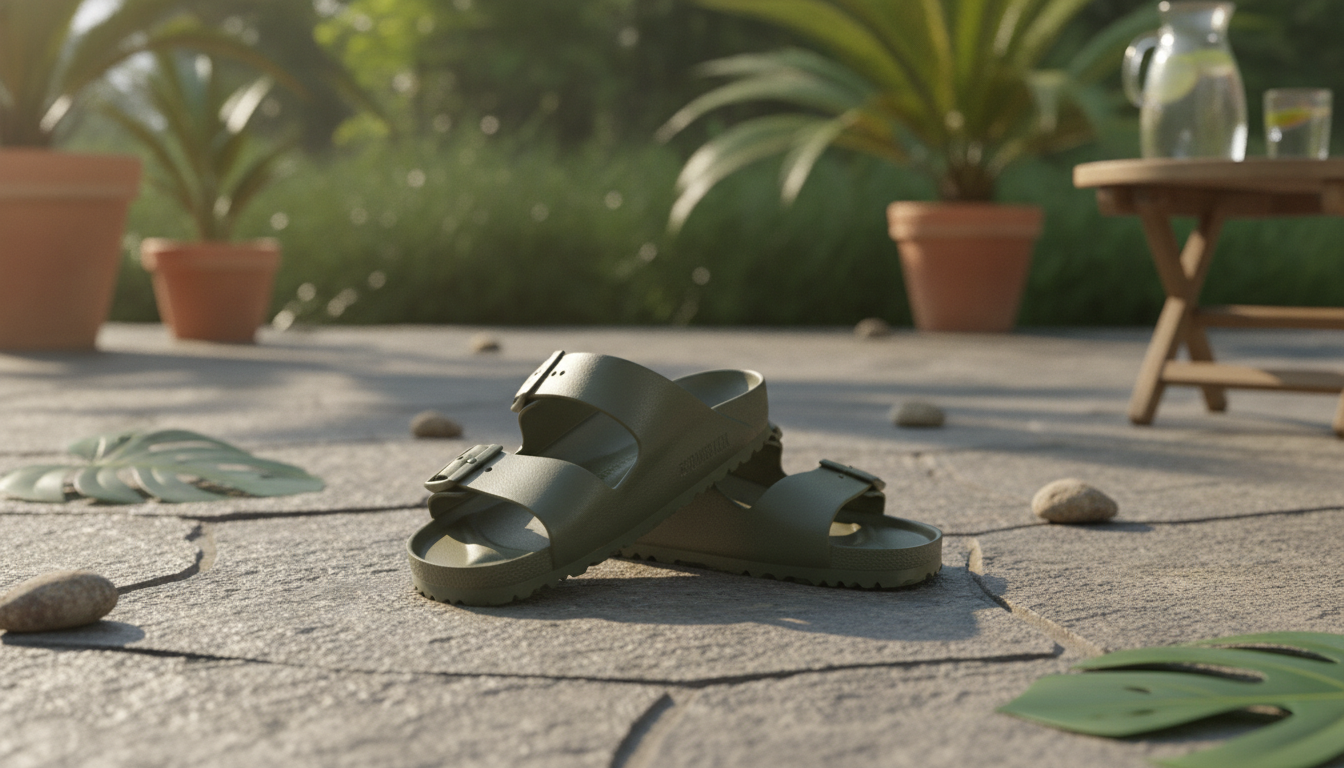
To support the “get to a safer place” part of your plan—especially for quick resets—comfortable, easy-to-step-into footwear can make transitions simpler. Options like Birkenstock Men’s Green Slippers or Birkenstock Women’s Green Marl Buckle Sandals can be useful for moving between indoor and outdoor micro-spaces without adding hassle.
FAQ
Is a safe space the same as avoiding problems?
No. A safe space is for short-term regulation and recovery so you can return to problem-solving with more clarity and steadiness; it supports action rather than replacing it.
How often should a safe space map be updated?
A quick weekly check-in keeps it usable, and a deeper update helps after major changes like moving, starting a new job or school, health shifts, or relationship changes.
Can digital spaces count as safe spaces?
Yes—if they’re set up for privacy and emotional safety. Useful steps include tightening privacy controls, limiting notifications, choosing moderated communities, and adding clear boundaries around when and how you engage.











Leave a comment