Crocs Women’s Rubber-Sole Slip-Ons for Wet Fall Days
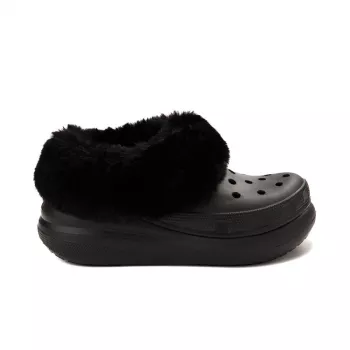
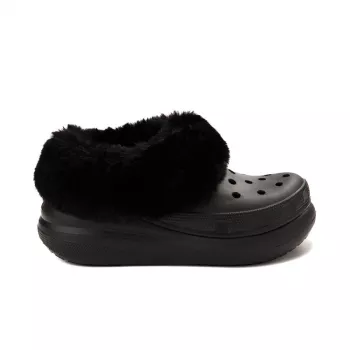
Crocs Women’s Slip-On Shoes with Rubber Sole for Fall and Winter
Slip-on comfort meets cold-season practicality with a rubber-sole design built for everyday errands, commutes, and indoor-to-outdoor wear. Fall and winter footwear doesn’t always need to be a full snow-boot commitment; many days call for something quick, stable, and easy to clean after a damp walk from the car to the store. The key is knowing what matters most for the season you actually live: traction on wet ground, a secure fit that doesn’t slide at the heel, enough room for socks, and materials that can handle rainy sidewalks and salted entryways.
Quick look: what these slip-ons are made for
Crocs-style women’s slip-on shoes with a rubber sole shine when the day is full of short transitions—out the door, into the car, through a parking lot, back home. They’re designed for speed and ease, but the outsole is what makes them feel more “cold-season capable” than a typical house shoe.
- Easy on/off profile suited to busy mornings, travel days, and quick outdoor steps.
- Rubber sole focus for grip on damp sidewalks, parking lots, and entryways.
- Fall/winter-friendly use cases: running errands, walking the dog, school drop-off, indoor chores with brief outdoor trips.
- Best for mild-to-cool weather and wet ground; not a replacement for insulated snow boots in deep snow or extreme cold.
Fall/Winter practicality checklist
| Feature | Why it matters in cold seasons | What to look for in this style |
|---|---|---|
| Rubber outsole | Improves traction on wet surfaces | Defined tread pattern and stable heel contact |
| Slip-on upper | Fast transitions indoors/outdoors | Secure fit at the heel to reduce slipping |
| Cushioned footbed | Comfort during longer standing/walking | Even support and no pressure points at the instep |
| Moisture handling | Rain and slush can soak materials | Easy-to-clean surfaces and quick drying |
| Socks compatibility | Warmth without bulk | Enough room for medium socks without pinching |
Comfort and fit: dialing in the right feel
Slip-ons can feel “fine” in the living room and then feel unreliable outside if the heel shifts or the toe box gets crowded with winter socks. A good fit is about secure contact without pressure.
- Fit should feel secure at the heel; if the heel lifts noticeably, sizing or shape may be off for the foot.
- Toe space matters more in cooler months when thicker socks are common—avoid a cramped toe box.
- For high insteps, look for an upper that doesn’t press sharply across the top of the foot during steps.
- Break-in expectations: slip-ons should feel comfortable immediately; persistent rubbing is a sign to reassess sizing or sock thickness.
- If between sizes, prioritize stability (heel hold) over extra length; overly long slip-ons can reduce control on slick ground.
For foot health and general shoe-selection guidance, the American Podiatric Medical Association (APMA) is a useful reference point, especially when weighing support and daily comfort.
Rubber sole performance: traction, stability, and everyday winter walking
A rubber sole is often the “make or break” detail for fall and winter errands. It’s not just about having rubber—it’s about how the tread meets the ground, and how stable the platform feels when stepping onto wet leaves, painted crosswalks, or smooth store entry tiles.
- Traction depends on tread depth and contact area; shallow tread can feel less confident on wet leaves and smooth concrete.
- Rubber soles can harden in very low temperatures, which may reduce grip—use caution on ice regardless of footwear.
- A stable base (not overly narrow at the heel) helps when stepping off curbs and navigating slushy crossings.
- For icy conditions, consider pairing with removable traction devices; slip-ons are typically best for cleared paths and light winter days.
If winter walking conditions are unpredictable, it also helps to follow practical fall-prevention habits (short steps, hands free, watch for black ice). The CDC and NIOSH both publish safety concepts related to slips, trips, and falls that apply to winter surfaces.
Warmth and layering: socks, liners, and indoor/outdoor transitions
Slip-ons for cool weather often work best when warmth comes from socks rather than heavy insulation built into the shoe. That keeps the shoe versatile: comfortable indoors, and warm enough for quick outdoor steps.
Care and cleaning for rainy days and slush
Who this style suits (and who may want a different option)
Shop in-stock picks for a simple seasonal rotation
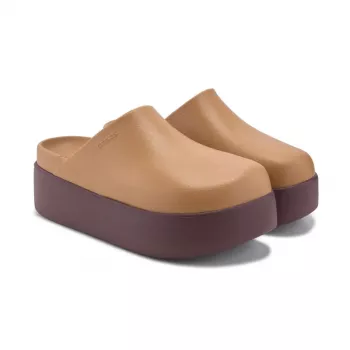
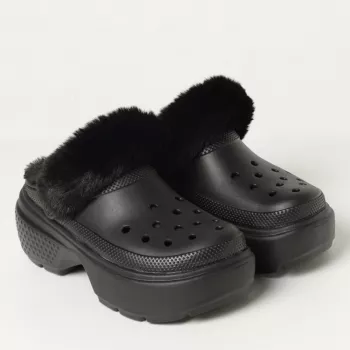
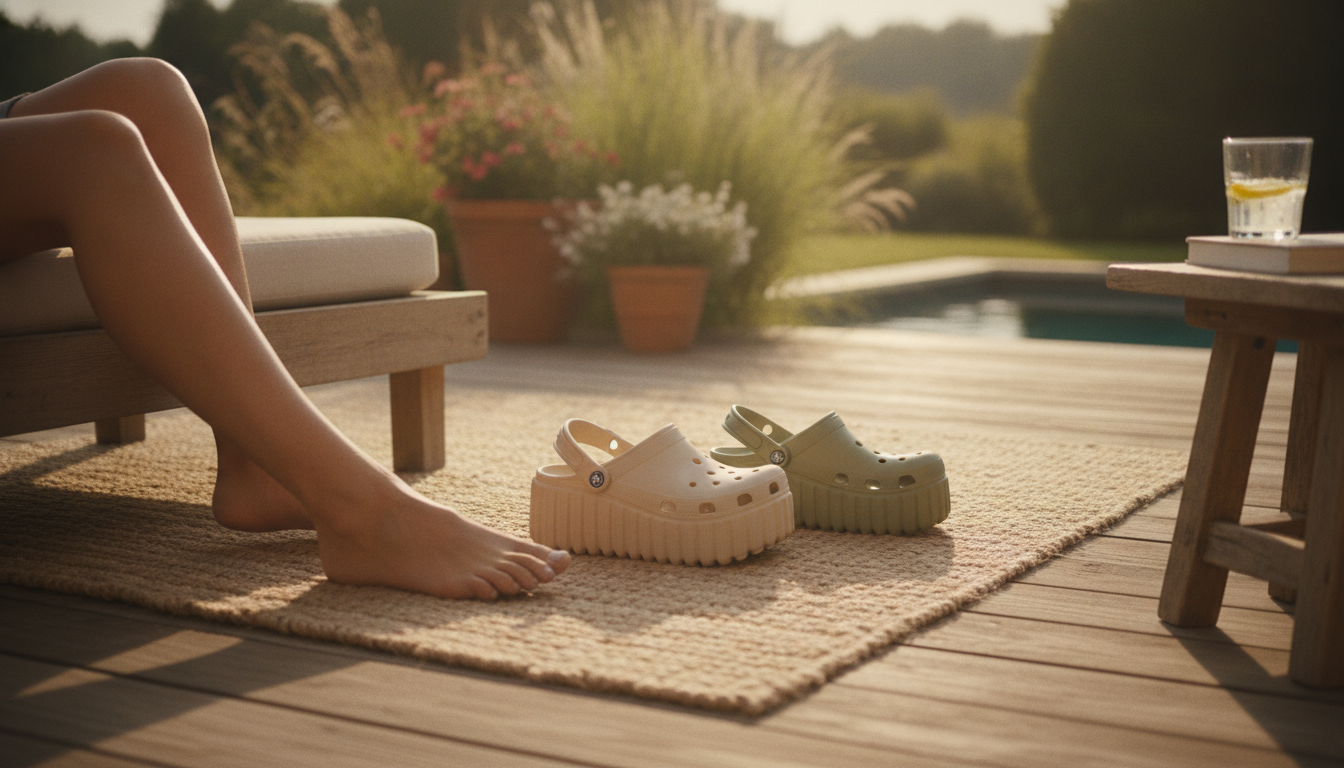
- Crocs Women’s Slip-On Shoes Rubber Sole Fall/Winter Footwear (easy on/off with a rubber-sole focus for damp, cool days)
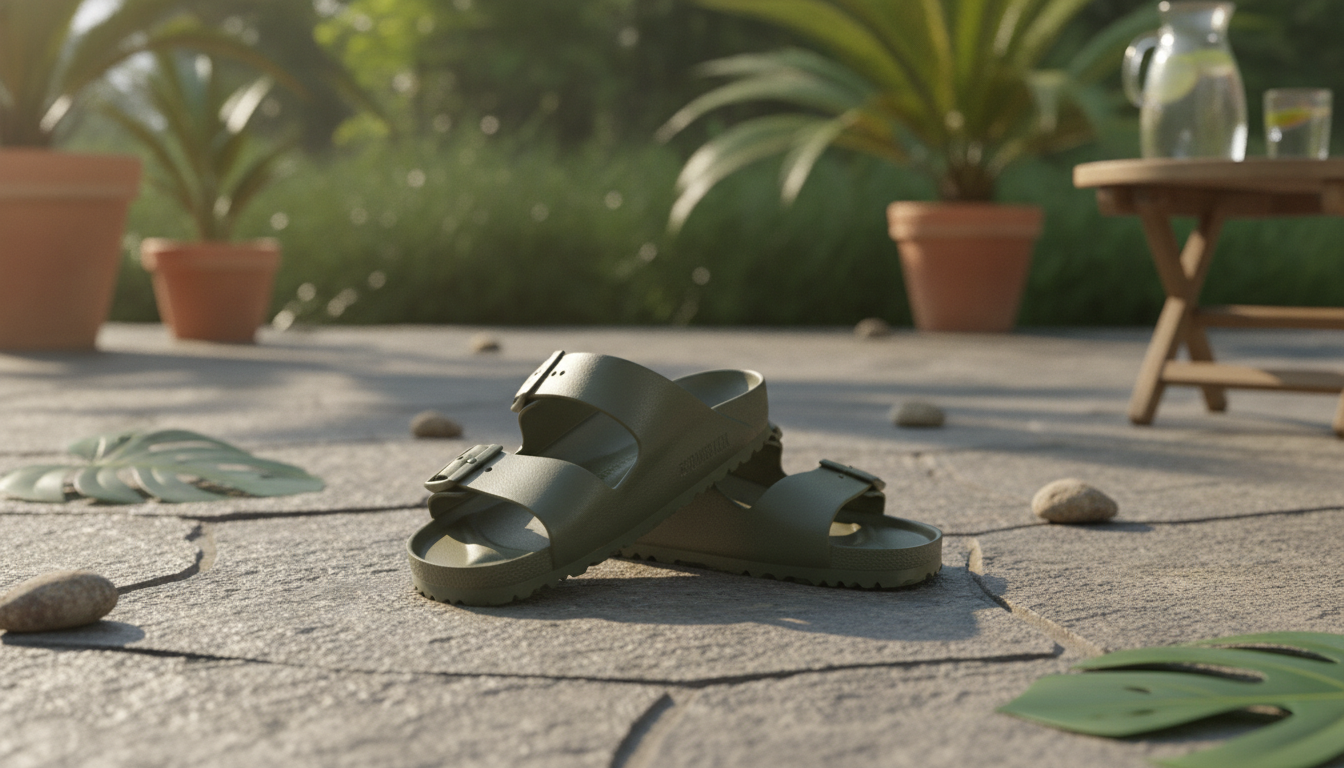
- Birkenstock Women’s Green Marl Buckle Sandals (a breathable choice when the weather turns warm or for adjustable indoor comfort)
- Birkenstock Men’s Green Slippers (a cozy home-first option for quick steps outside and indoor lounging)
Alternatives to consider for different seasons and routines
FAQ
Are rubber-sole slip-on shoes good for winter?
They work well for mild-to-cool weather when sidewalks are mostly cleared and conditions are wet rather than deeply snowy. Use extra caution on ice, and consider removable traction devices for truly icy days.
Can these be worn with thicker socks?
Yes, as long as there’s enough toe room and the heel still feels secure. Medium-weight socks often add warmth without changing the fit too much, while very thick socks can cause heel lift and reduce stability.
How should slip-on rubber-sole shoes be cleaned after slush and salt?
Rinse off slush and salt residue promptly, then wash with mild soap and cool-to-lukewarm water. Let them air dry fully away from direct heat, and avoid harsh chemicals that can damage the finish over time.







Leave a comment